

Looking for a Sign Company in Albany, NY? 5 Things You Must Know About Local Sign Permits Before You Buy
Did you know that nearly 40% of commercial signage projects in the Capital Region face significant delays or unexpected costs not because of manufacturing issues, but because of permit hurdles? It is a startling statistic that many business owners don't realize until they are already deep into the process. Whether you are opening a new retail storefront in Albany or moving your corporate headquarters to a tech park in Clifton Park, understanding the local regulatory landscape is just as important as the design of the sign itself.
At Vital Sign & Graphics, we have spent over 30 years navigating the red tape of the Capital Region. We have seen it all: from the strict historic preservation codes in Troy to the specific zoning requirements in Schenectady. Your business deserves a sign that stands out, but it also needs one that stays up. There is no doubt that a beautiful sign is a wasted investment if a code enforcement officer tells you to take it down two weeks later.
Here are five essential things you must know about local sign permits in Albany, NY, and the surrounding areas before you sign your next contract.
1. Zoning Isn’t Uniform: Albany is Not Clifton Park
One of the most common misconceptions for business owners is the idea that "if it worked for my other location, it will work here." This is rarely the case in Upstate New York. Every municipality: whether it is the City of Albany, the Town of Colonie, or the City of Troy: has its own unique set of "Unified Development Ordinances" or zoning codes.
For example, a sign that is perfectly legal on a busy corridor in Schenectady might be strictly prohibited in a more residential-adjacent zone in Clifton Park. These codes dictate everything from how far your sign must be "set back" from the property line to how many signs you are allowed to have on a single building face. Furthermore, if your business is located in a historic district, such as downtown Albany or the historic heart of Troy, you are looking at an entirely different layer of review.
As you can see, the location of your business dictates the rules of the game. Partnering with a sign company that has local roots means you are working with experts who already know the specific quirks of each town hall. There is sure to be a solution that fits your brand within the legal framework, but you need someone who knows where the boundaries are.

2. Square Footage Calculations: It's a Numbers Game
When you are looking for a vinyl sign shop near me, you might be focused on the colors and the font, but the city planner is focused on the math. Most local permits are based on a specific ratio: the linear footage of your building's storefront determines the total square footage of signage you are allowed.
If you have a 50-foot wide storefront, the city might allow you 1.5 square feet of signage for every linear foot. That gives you 75 square feet to play with. If you try to install a sign that is 80 square feet, your permit will be denied. This calculation includes everything: your main channel letters, your logo, and sometimes even your window graphics.
This is why "in-house" planning is so vital. We don't just guess; we measure. We ensure that your brand consistency matters and that your vision fits perfectly within the legal "box" provided by the local government. You won't be disappointed when your permit is approved on the first try because the math was done correctly from day one.
3. The "Light" Fight: Illumination Regulations
In the world of signage, lighting is everything. It's how you stay visible during those long Albany winters when the sun sets at 4:30 PM. However, the type of lighting you choose: LED, neon, or external gooseneck lamps: can significantly impact your permit approval.
Many areas in the Capital Region now have "Dark Sky" ordinances or specific rules about "nits" (a measure of brightness). Some zones might allow channel letters but forbid "cabinet" or "box" signs because they emit too much ambient light. Others might require that signs be turned off or dimmed after a certain hour if they are near residential neighborhoods.
When deciding between LED vs. Neon, it isn't just about the ROI; it's about what the town of Bethlehem or East Greenbush will allow. There are many great reasons to upgrade to a lit sign, but those reasons must align with local safety and nuisance codes.
4. Engineering and Safety: It’s Not Just About Looks
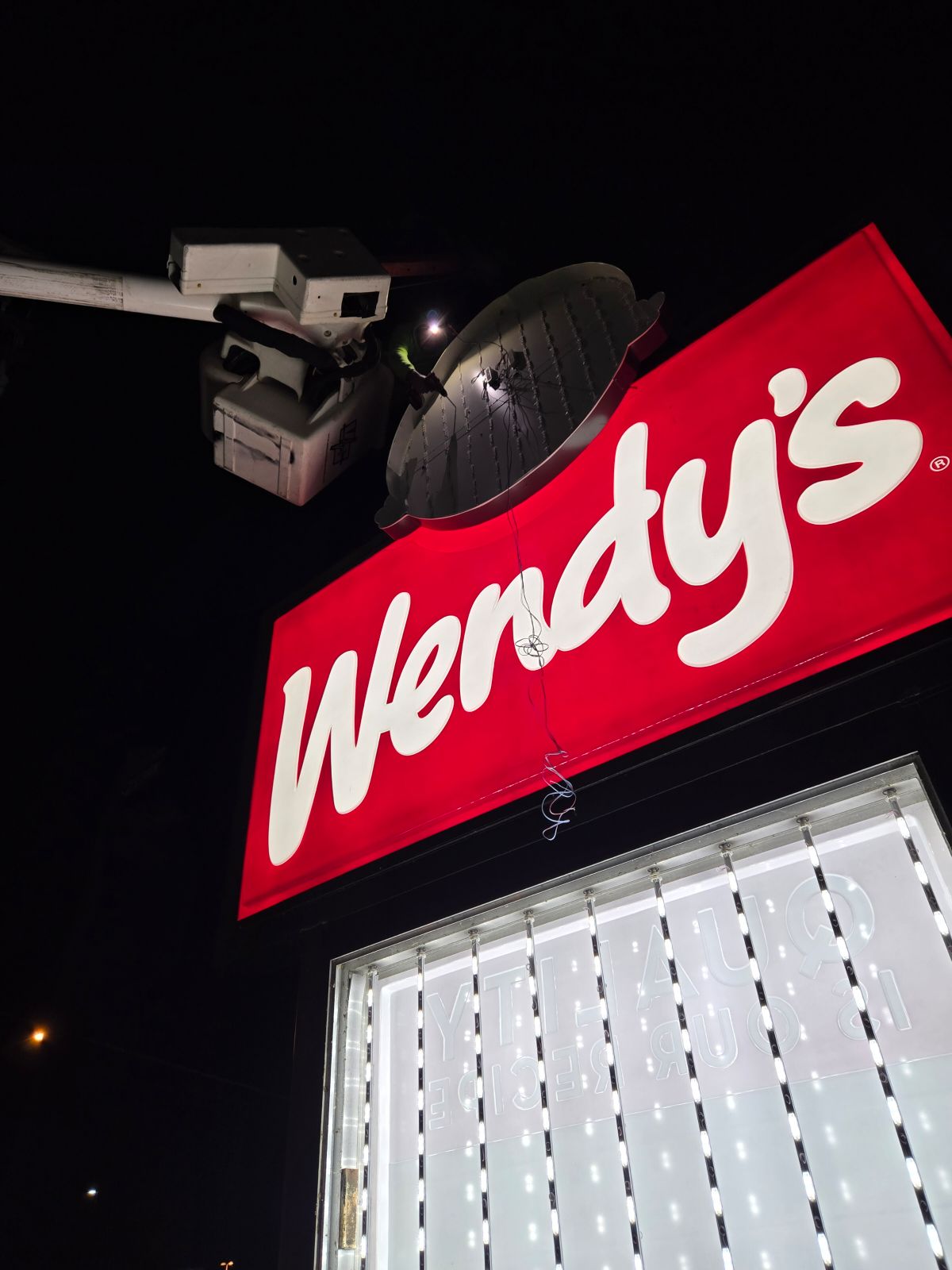
A sign is a structural addition to your building or land. Because of this, many municipalities require more than just a pretty drawing for a permit application. For larger projects, like pylon signs or high-rise building signs, you may be required to provide "sealed" engineering drawings.
These drawings prove that the sign can withstand the heavy wind loads and ice accumulation common in Upstate New York. Furthermore, if your sign is electric, it must be UL-listed and installed by a licensed professional to ensure it doesn't pose a fire hazard.
Working with a local expert like Vital Sign & Graphics means these technical details are handled for you. We provide the "Survey and Permitting" services that big-box online retailers simply cannot offer. While a "big box" store might ship you a sign, they won't be there to represent you at a town planning board meeting or to ensure your sign is engineered for a blizzard in Troy. For a deeper look at this, check out why full-service fabrication beats the competition.
5. The Application Process: Patience and Paperwork
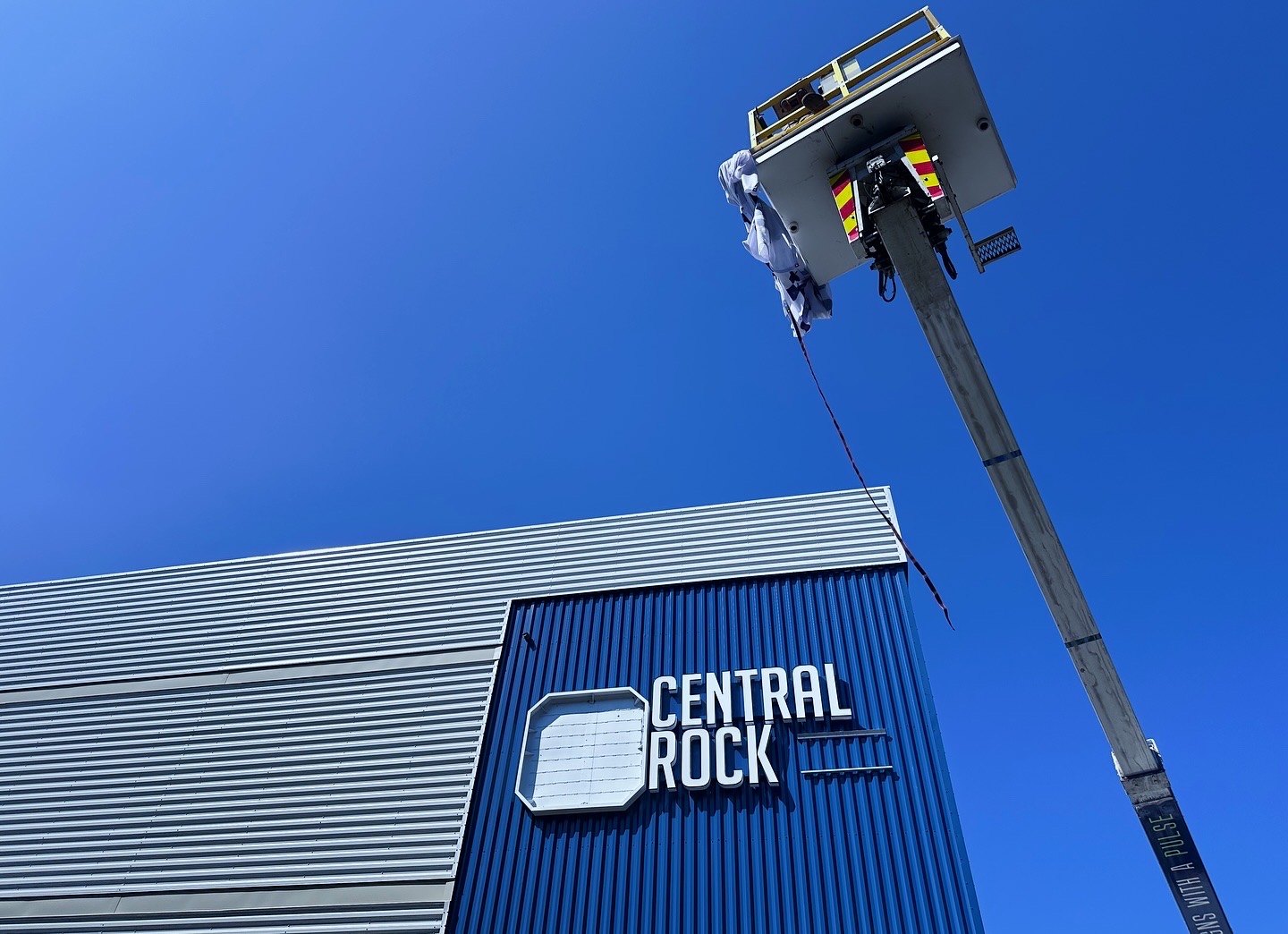
Finally, you must understand that the permit process is rarely "instant." In cities like Albany or Schenectady, the review process can take anywhere from two to six weeks. If your sign requires a "variance": meaning you are asking for an exception to the rules because of a unique building layout: the process can take even longer and require a public hearing.
The application package itself is usually extensive. It typically requires:
A formal application and fee.
Site plans showing the exact location of the sign.
Photographs of the existing storefront.
A scaled color rendering of the proposed sign.
Details on materials and mounting methods.
Property owner’s written consent.
If any of these pieces are missing, your application will likely be kicked back, delaying your grand opening. This is why having a partner with 30+ years of experience is an excellent way to ensure your timeline stays on track. We know exactly what each clerk is looking for, and we make sure the "i's" are dotted and the "t's" are crossed before the application ever hits their desk.
Why Local Expertise is Your Greatest Asset
At the end of the day, a sign is one of the most important investments you will make for your business. It is your silent salesperson, working 24/7 to draw in customers. But as we've discussed, the road to a successful installation is paved with regulations and paperwork.
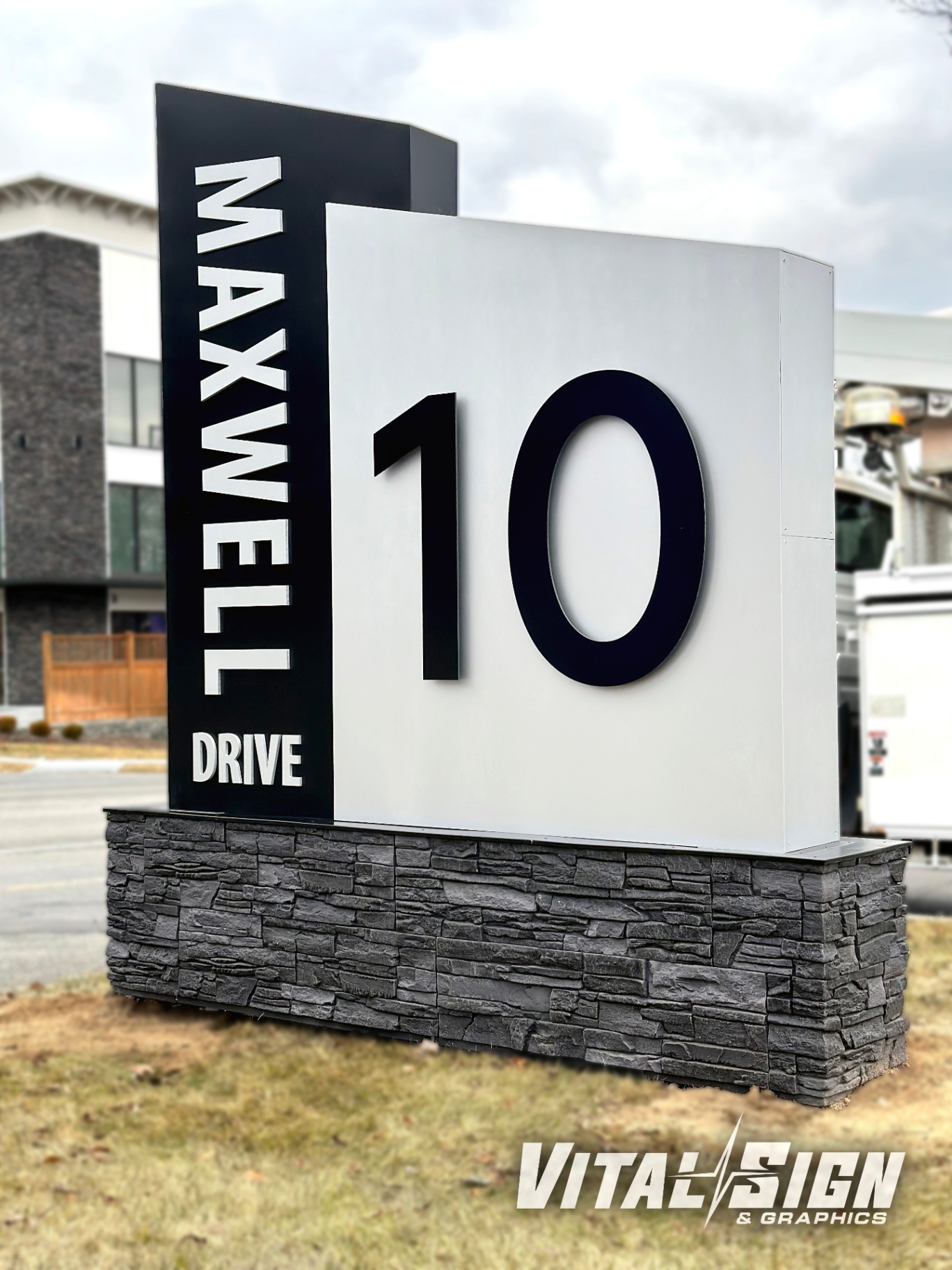
Whether you are looking for custom monument signs or high-impact window graphics, don't let the permit process intimidate you. At Vital Sign & Graphics, we take the stress out of the equation. We handle the surveys, the design compliance, the engineering, and the filing.
If you are ready to take your business visibility to the next level in Albany, Clifton Park, Schenectady, or Troy, let’s talk. We’ve been helping Capital Region businesses stand out for over three decades, and we’d love to do the same for you. Give us a call or stop by: we’re here to help you get your sign up and your business growing!
Comments